A Tale of Two Karelias: How a Divided Land Birthed the Old Friend Hypothesis
The remarkable story of how one divided landscape changed the course of modern immunology
For decades, modern medicine operated under a simple premise: cleanliness is health, and microbes are enemies to be eliminated. But towards the end of the 20th century, a natural experiment unfolded along the border of Finland and Russia, shattering this paradigm and forever changing our understanding of the human immune system and non-communicable diseases.
This is the story of Karelia, a geographical region split between two nations, Finland and Soviet Union (now Russia), and how its divergent lifestyles created the shift from the Hygiene Hypothesis to the Old Friends Hypothesis, paving the way for a reconnection with soil microorganisms to nurture modern immune and mental wellness.
The Natural Experiment: A Tale of Two Borderlands
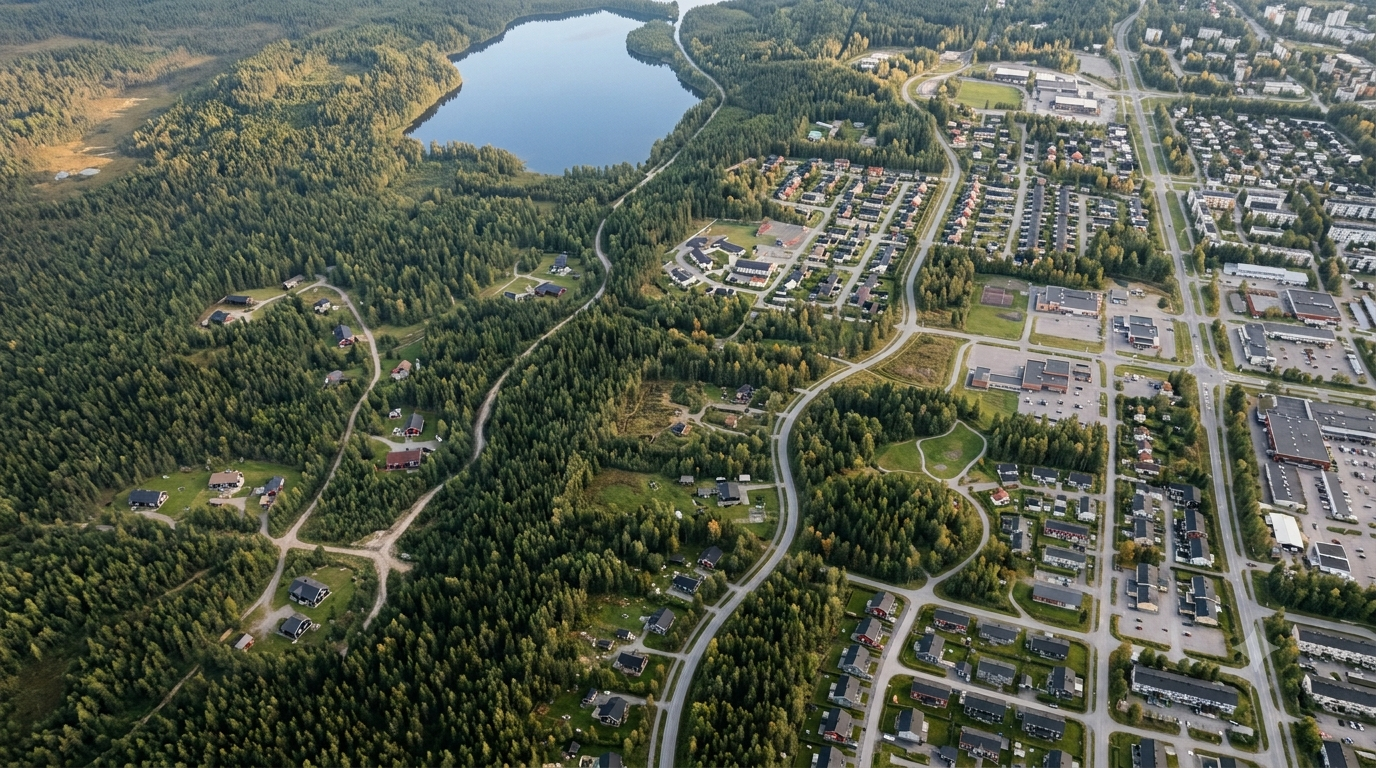
Karelia is an ancient, forest-dense region in Northern Europe. Following World War II, it was politically divided: one half became Finnish North Karelia, while the other became Soviet Russian Karelia.
Genetically, the populations on both sides of the border were virtually identical, sharing deep Finnish-Karelian ancestry.The geographic microclimate and natural environment was also virtually the same. However, as the decades progressed, their lifestyles diverged radically:
- Finnish Karelia industrialized quickly, adopting the Western urban infrastructure and lifestyle, treated tap water, paved roads, chemical household hygiene, and processed food chains.
- Russian Karelia remained largely agrarian and rural. Traditional farming practices persisted, families maintained direct contact with livestock and soil, and homes were integrated with the surrounding natural ecosystem via dirt roads.
In the 1990s and 2000s, public health researchers led by legendary Dr. Tari Haahtela set out to compare the health profiles of people growing up on either side of this invisible divide. What they discovered shocked the medical world.
Allergic symptoms and diseases were systematically more common in Finnish children and adults than in their Russian counterparts. In the early 2000s, hay fever in school children was almost non-existent in Russian Karelia, with only 2% sensitized to birch pollen compared with 27% in Finnish Karelia. There was no preceding difference: the generation born in the 1940s who grew up before the split had low sensitivity to pets and pollens in both parts of the region (Haahtela et al., 2015).
Type 1 diabetes was almost 6-fold in the urbanized Finnish Karelia compared to the agrarian Karelia: 41.4 cases per 100,000/year in Finnish Karelia compared to 7.4 cases/100,000 in Russian Karelia (Kondrashova et al., 2005).
In following studies, it became apparent that among the Finnish kids, the healthy ones had a more biodiverse living environment and greater diversity of skin bacteria than atopic children.
Non-communicable, chronic inflammatory diseases, ranging from severe allergies and autoimmune conditions to mood disorders, were surging dramatically in industrialized Finland, yet remained almost non-existent in agrarian Russia.
What was happening was a profound gap in microbial exposure.
From the Hygiene Hypothesis to the "Old Friends" Paradigm
To explain these disparities, scientists initially turned to the Hygiene Hypothesis, proposed by Barker in 1985 to explain higher rates of appendicitis in wealthier families and countries where exposure to infection had been lower, then developed by David Strachan. Epidemiologists observed that children from large families with farming exposure had approximately 5 times less prevalence of hay fever (Strachan, 1989). Strachan suggested that childhood infections (like measles or chickenpox) were necessary to train the developing immune system and protect against hay fever. This idea was referred to as the Hygiene Hypothesis.
However, as the Karelia studies advanced, researchers realized the Hygiene Hypothesis had a major flaw: preventing dangerous infections was not what was causing modern immune dysfunction. Sanitizing society from pathogenic diseases was a triumph of medicine, but in doing so, we had accidentally thrown the baby out with the bath water: we’d cut ourselves away from benign and even essential environmental microbes.
From 2003 on, immunologist Dr. Graham Rook refined the hygiene concept into the Old Friend Hypothesis.
« The required exposures are not childhood infectious diseases (colds, measles, flu) which evolved only recently, but the non-pathogenic microbes we co-evolved with in hunter-gatherer times. » - Dr. Graham Rook said in the 99th Dahlem Conference on Infection, Inflammation and Chronic Inflammatory Disorders: Darwinian medicine and the ‘hygiene’ or ‘old friends’ hypothesis | Clinical and Experimental Immunology | Oxford Academic
Indeed, our immune system requires contact with non-pathogenic evolutionary partners, which are found in soil, plants, and natural environments.
Rook argued that humans co-evolved over millions of years alongside thousands of harmless soil organisms, environmental spore-formers, helminths and gut commensals. These non-pathogenic "Old Friends" act as crucial instructors for our immune system, and consequently, for our psychological wellbeing (Rook, 2013).
Without regular exposure to microbially rich soil and natural environments, our immune cells miss out on the calibration signals needed to distinguish between a real threat (a pathogen) and a harmless substance (pollen, peanuts, or our own body tissues).
An uncalibrated, under-stimulated immune system becomes hyper-reactive, unleashing low-grade systemic inflammation, which is at the heart of many civilization diseases.
The Soil-Gut-Brain Connection : How Missing Old Friends Affects Mood
The impact of missing "Old Friends" goes far beyond physical allergies and autoimmunity: it reaches directly into our brain chemistry. Environmental microbes we have co-evolved with learnt to switch off our immune reaction to create tolerance and earn the right to stay there. This switch is an anti-inflammatory response. In time, we delegated this function to them. Infection, pro-inflammatory foods and stressors switch on the inflammatory signals. Old friends turn it off. Unless they’re gone.
When the immune system lacks regulatory signaling from environmental microbes, chronic low-grade inflammation spreads through the body. Inflammatory cytokines cross the blood-brain barrier, directly disrupting neurodevelopment and the synthesis of key neurotransmitters like serotonin and dopamine. Microglial cells are primed for sensitivity to stress and accentuate neuroinflammation.
This chronic neuroinflammation is now recognized as a primary driver of modern mood disorders, anxiety, stress, depression, and mental fatigue (Miller and Raison, 2016).
Certain soil-based microorganisms produce stable bioactive compounds, cell wall fragments, and short-chain fatty acids that signal the gut's mucosal lining to produce Regulatory T-cells (Tregs). These Tregs act as the peacekeepers of the body, releasing anti-inflammatory signals (like IL-10 and TGF-beta) that quiet systemic inflammation and communicate directly with the brain via the vagus nerve. Specific Mycolicibacteria were even shown to de-prime micoglial cells in mice brains (Sanchez et al., 2022, Desmond et al., 2023).
Reconnecting with the microbial and molecular signals of the soil helps soothe systemic inflammation, restoring both physiological resilience and mental well-being.
The Next Step of the Karelia Study: the Biodiversity Hypothesis and Access to Nature
The Karelia Allergy Study (2002-2022) showed the much higher prevalence of allergic conditions on the Finnish side. It unveiled that the Finnish adolescents that appeared protected from allergy were those with a more biodiverse natural environment.
The nationwide Finnish Allergy Programme (2008-2018) implemented the biodiversity hypothesis, favoring immune tolerance through nature contacts with impressive results. Work-related allergies and asthma hospital days were halved and the prevalence of asthma, rhinitis, and eczema leveled off, with savings of 1.2 billion euros in direct healthcare and indirect disability costs (Haahtela et al.,2023; Jantunen et al., 2021).
The continuation of these programs has started with the program Nature Step To Health (2022-2032) to integrate the prevention of chronic diseases (asthma, diabetes, obesity, depression), nature loss, and climate crisis in the spirit of Planetary Health. This could endorse a One Health approach both catering for planetary health and enscribing the right to nature as the prevention strategy of tomorrow (Haahtela et al., 2023).
The Modern Dilemma & The Functional Frontier
Access to nature, soil, and animal microbes is a great approach to restore functional and immunological symbiosis, especially in early life when the system is being tuned. In fact, healthcare professionals have now added to their therapies toolbox the nature prescription, with confirmed benefits on the reduction of depression scores, anxiety and blood pressure (Nguyen et al., 2023).
However, when urban living and hyper-processed, sterilized food supply chains have effectively severed our daily contact with the living earth, there is another opportunity to rebuild ancient bridges thanks to functional formulation.
Recent intervention studies out of Finland confirm that providing the body with natural, soil-derived microbial signals, whether through enriched environments or daily nutrition rapidly restores skin and gut diversity, dampens pro-inflammatory cytokines, and fortifies the gut-immune-brain axis (Roslund et al., 2020, Saarenpää et al., 2024).
By delivering stable probiotics or postbiotics originating from soils directly into everyday life through food and beverage products, we can reintroduce the essential "Old Friends" our systems crave. We can bridge the gap between our modern lifestyle and our ancestral biology, delivering fundamental immune calibration and mental clarity from the ground up.