Human Microbiome Rewilding – Bringing the Diversity of Forests into Cities and Homes
How emerging science is revealing new ways to bring the biological diversity of nature back into our cities, homes, and everyday lives
Humans spent over 99.99% of their 6 to 7 million years evolutionary history immersed in natural environments. Our fundamental physiological and neurobiological pathways developed in continuous conversation with this wild setting. Yet today, the average urban resident spends more than 90% of their life indoors. This evolutionary mismatch is a primary driver of the epidemics of chronic stress, neuroinflammation, and immune dysregulation (Song et al., 2016). Is it time to rewild humanity and reconnect our lives with nature?
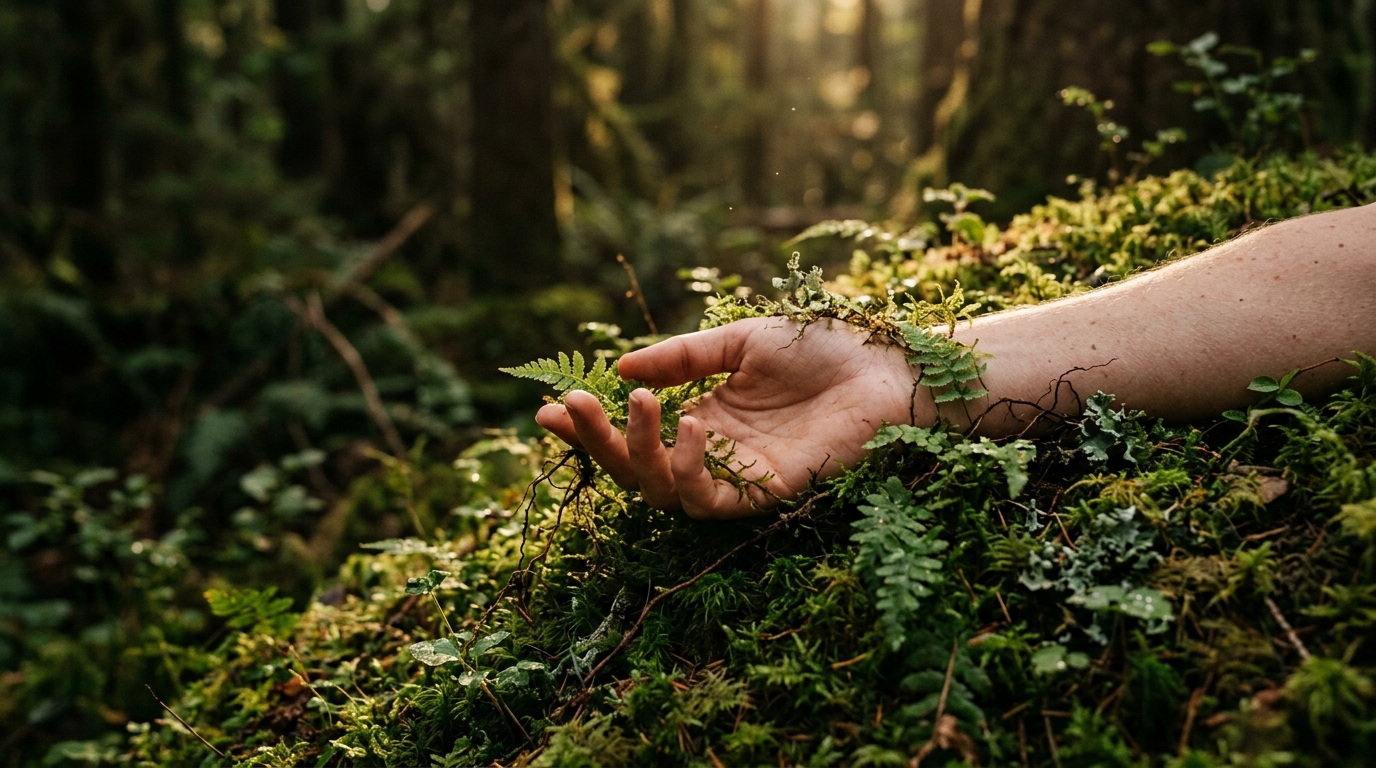
Forest Bathing : Shinrin-Yoku as Forest Medicine
In Japan, the practice of Shinrin-Yoku, literally « taking in the forest atmosphere through all your senses », is rooted in a traditional reverence for nature that views forests as sacred sanctuaries. The term was first coined in 1982 by Tomohide Akiyama, then head of the Ministry of Agriculture, Forestry and Fisheries. What began as a public health campaign to counter the severe toll of post-war urbanization and workplace stress has since evolved in a rigorous clinical discipline. Certified Forest therapy bases answer scientifically validated characteristics to produce measurable health benefits. By 2025, there were over 60 such centers in Japan, which host up to 5 million people every year.
Dr. Qing Li, an immunologist at Nippon Medical School in Tokyo and author of the book Shinrin-yoku published in 2018, leading researcher on forest medicine, outlines the sensory protocol required for therapeutic immersion:
· Engage all five senses: Listen to the canopy, inhale the aromatic wood, taste the air and water, touch tree bark and moss, and walk barefoot on the forest mattress to feel its texture and temperature, and observe the motives of the trees and light piercing through the leaves.
· Disconnect: Leave digital distractions behind.
· Sustain exposure: Spend anywhere from two hours to multi-day immersive retreats in the woods.
Dr. Li’s clinical research reveals profound physiological benefits: reduced anxiety, measured by salivary cortisol and adrenaline, lowered blood pressure and heart rate, improved sleep architecture, enhanced parasympathetic nerve activity, mood and emotional improvement, and adramatic surge in Natural Killer (NK) cell activity and anti-cancer protein expression. Subsequent meta-analyses have confirmed these findings, even demonstrating significant improvements in blood glucose regulation among diabetic patients following forest walks (Song et al., 2016; Hansen et al., 2017).
In his book, Dr. Qing Li also exposes some of the mechanisms through which the forests delivers these boons. Inhaled terpens like phytoncides and essential oils such as the one from Hinoki cypress appeared to improve Natural Killer cells and immune functions and to induce physiological relaxation. Exposure to forest microorganisms such as Mycolicibacterium vaccae is also pointed as a mediator of the observed relief. Mycolicibacterium vaccae demonstrated anxiolytic and anti-depressive effects in mice studies (Matthews and Jenks, 2013 ; Reber et al., 2016; Frank et al., 2019; Amoroso etal., 2021).
Forest soil is characterized by a high environmental microbial diversity, transferring to the skin microbiota. High exposure to nature and forests was found negatively associated with atopy (Hanski et al., 2012).
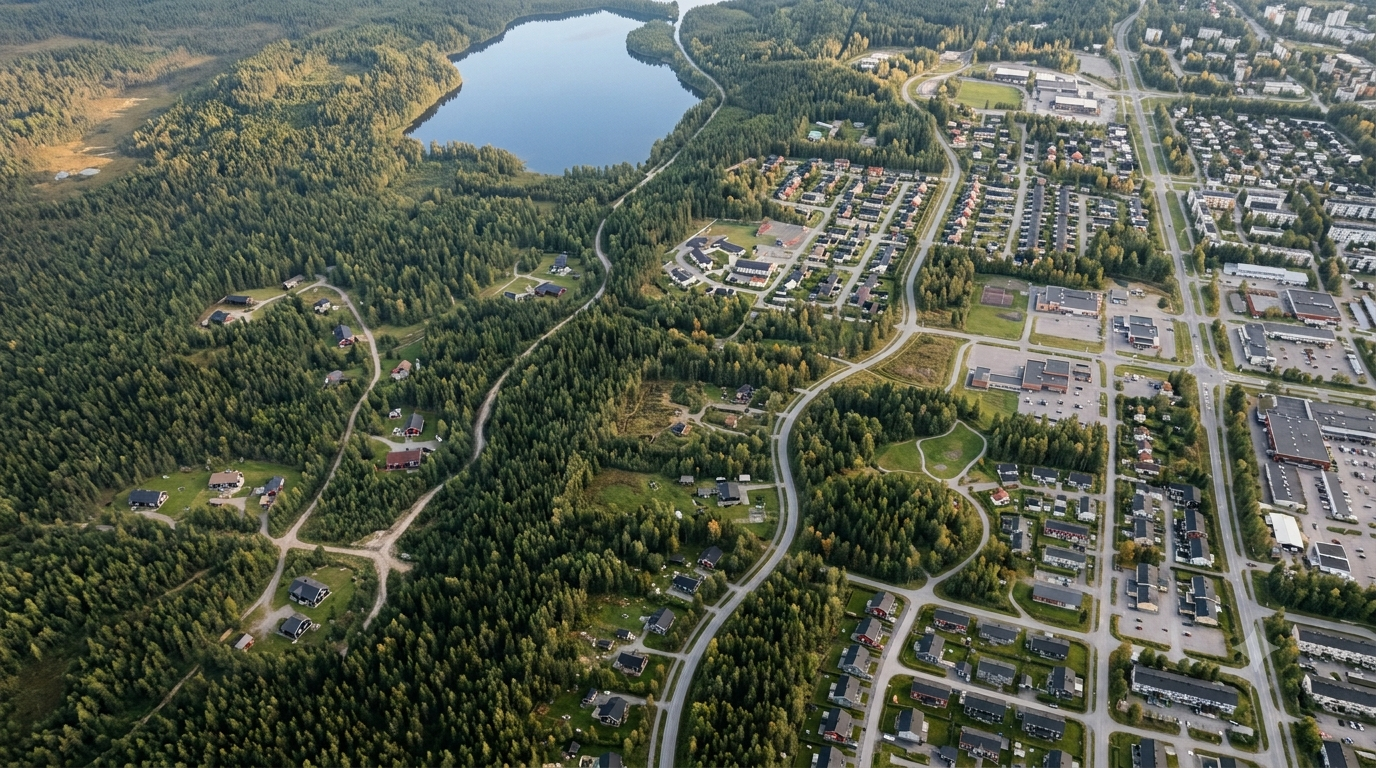
Bringing Nature to the City : Urban Greenery, Daycares and Gardening
For urban populations, spending days in an ancient forest is not always feasible. However, urban ecology demonstrates that bringing nature into cities offers scalable public health benefits.
Street-level vegetation acts as a reservoir for diverse environmental microbiota (Xie et al., 2026).
Higher residential greenness correlates directly with increased alpha-diversity and healthier taxonomic composition in the human skin and gut microbiomes (Zhang et al., 2023). This concept, termed Microbial Rewilding, advocates replacing monoculture lawns and concrete with native, structurally complex vegetation to restore urban microbial biodiversity and train human immune systems. This reconnection with nature’s microbial diversity serves as an ecosystemic service for public health (Millset al., 2017).
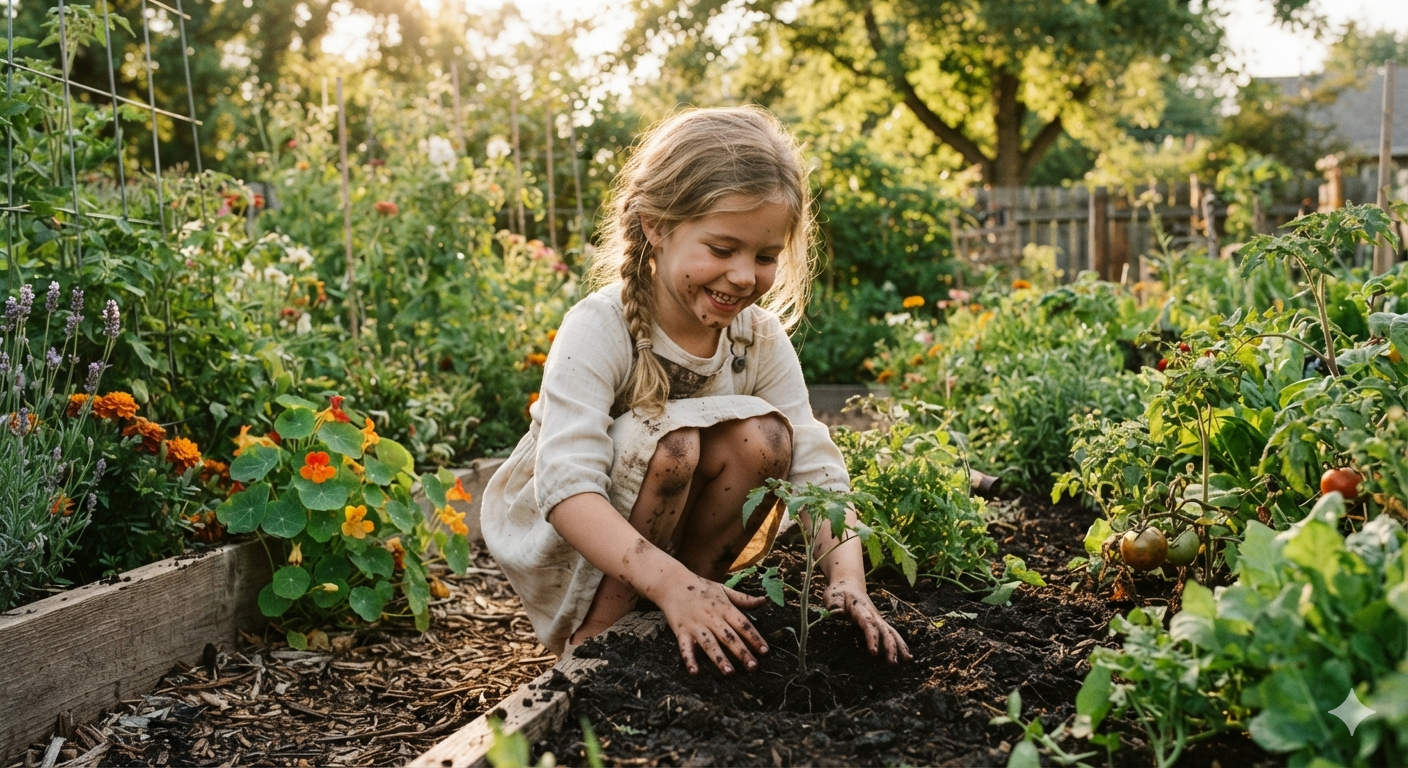
Engaging in urban gardening and interacting with green spaces restores the microbial connection by exposing individuals to rich soil, plant-associated microbiotas, and beneficial soil organisms like Mycolicibacterium. Physical contact with soil transfers beneficial commensal bacteria to the skin, respiratory tract, and gut, directly stimulating anti-inflammatory cytokines, enhancing immune tolerance, and dampening neuroinflammatory stress pathways that drive anxiety and depression (Wong & Osborne, 2022). Combined with moderate physical exercise and cortisol-lowering properties, urban gardening serves as a potent dual-action intervention for physical and psychological health.
In a landmark intervention, Roslund et al., 2020 compared the microbial exposure and health of children in different types of daycare centers: standard urban daycare standard; intervention yards with biodiversity elements, and nature-oriented daycare centers with daily visits to forests. It found that bringing forest soils to the playground increased microbial richness and diversity on the surface soils and children’s skin, led to changes in gut microbiota profiles, and stimulated immunoregulatory pathways (IL-10:IL-17 ratio, Tregs), comforting the idea that connection to the wild is beneficial for a balanced immune system and mediated through microbial exposure.
To bring more Green into urban design, Dr.Cecil Konijnendijk, urban forestry researcher and co-founder of the Nature-Based Solutions Institute, proposed the 3-30-300 framework in 2021, an evidence-based rule of thumb to offer equitable access to nature in urban environments:
- 3 trees: every resident should be able to see at least 3 mature trees from their home, school, and workplace – to support mental focus and restoration
- 30% canopy cover: every neighbourhood should feature a minimum of 30% tree canopy cover – to mitigate urban heat islands, lower local air pollution, and foster microbial ecosystems
- 300 meters: every resident should live within 300 meters (a 5-min walk) from a high quality public green space or park
Epidemiological evaluations confirm the power of this rule. In the Netherlands, 16% of the surveyed population met the 3-30-300 criteria, but those who met it were less likely to be overweight and more likely to be physically active (Helbich et al., 2025). In Barcelona, Spain, less than 5% of people met the green space indicator, but meeting it was associated with a tendency for better mental health, less medication use, and fewer psychologist or psychiatrist visits (Nieuwenhuijsen et al., 2022). Rewilding city infrastructure serves as a primary, socioeconomically equitable public health intervention.
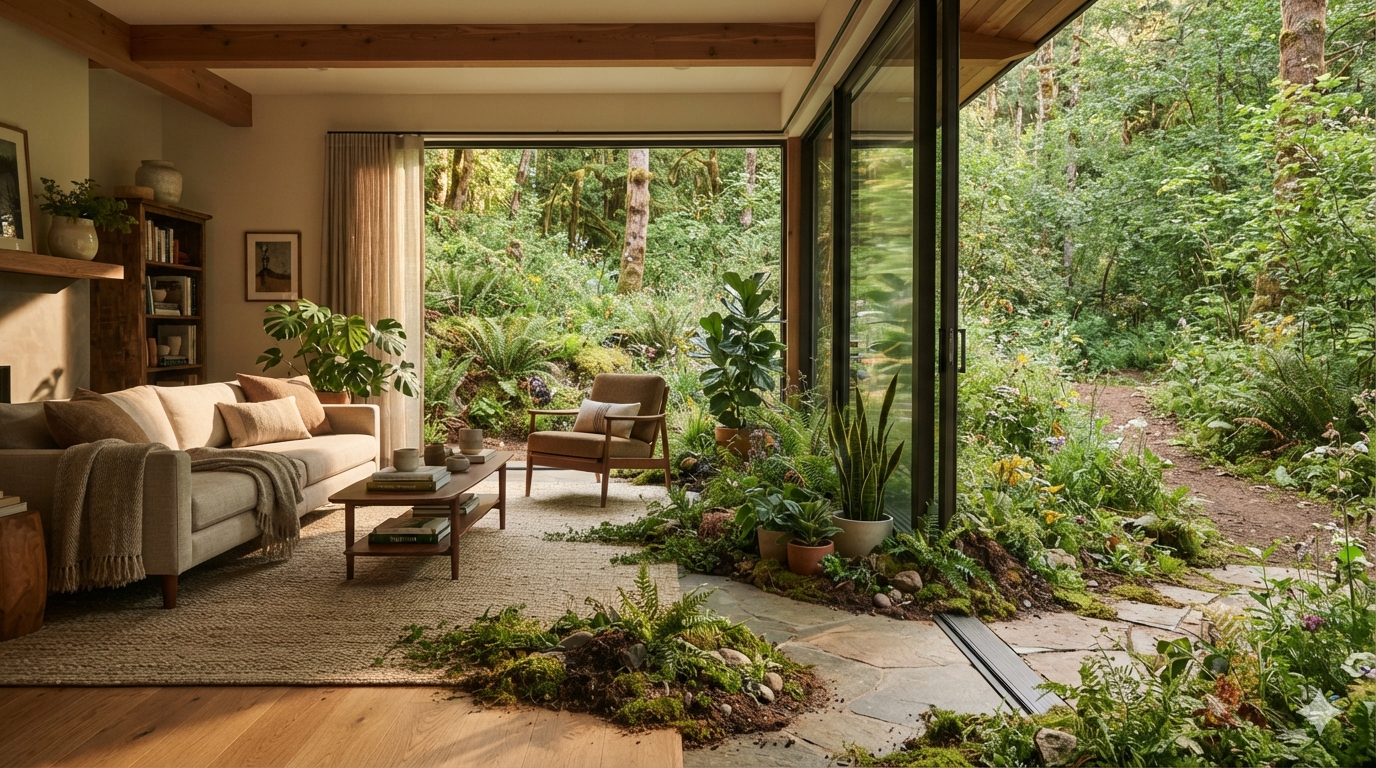
One Step Closer: Rewilding the Home
If urban greening brings nature to our neighborhoods, how do we bring its microbial benefits past our front door? Researchers have begun testing practical, indoor interventions to rewild the built environment.
Indoor gardening with rich soils
Indoor gardening provides direct exposure to beneficial soil microorganisms. However, the quality of the substrate matters. Researchers demonstrated that adults who potted indoor plants using an organic, microbially rich growing medium experienced significant increases in anti-inflammatory cytokine levels (IL-10) after one month. Participants using a microbially poor substrate saw no such immune benefits (Saarenpää et al., 2024). Will there be a market for microbially-rich potting soils, not just for the plant’s sake, but for the gardeners’?
Microbial hand inoculation: washing hands differently
Reinventing traditional sanitation norms, Nurminen et al., 2018 instructed healthy urban adults to rub their hands in a compost-derived, microbially rich organic substrate three times daily before meals, followed by a simple tap-water rinse without soap. Within two weeks, participants exhibited significant shifts in their stool microbiome and favorable modulation of key immunoregulatory cytokines like TGF-beta. Simple, non-sterile contact with soil-derived microbiota can enrich microbiomes and condition internal immune tolerance.
Bringing the forest onto the doorstep
Taking indoor inoculation a step further, Täubel et al., 2026 introduced forest soil directly onto entryway doormats in Finnish urban homes. Within two weeks, the dust close to the rugs was microbially enriched and this soil-associated bacterial signal extended into the living areas of the homes. Increases in bacterial diversity and an asthma protective microbiota index were also observed in airborne dust close to the soil-seeded rug.
Living companions: plants and pets
Incorporating potted plants and domestic pets turns homes into living, dynamic ecosystems:
- Indoor Plants: Adding species like the spider plant (Chlorophytum comosum) increases microbial abundance and diversity across indoor surfaces, potentially helping outcompete opportunistic indoor pathogens (Mahnert et al., 2015).
- Pets as Vectors: Household pets bring outdoor soil and plant microbes indoors on their paws and fur. Early-life exposure to pets enriches the infant gut with protective taxa like Ruminococcus and Oscillospira, associated with reduced risks of childhood atopy and obesity (Tun et al., 2017). Living with a dog in the first year of life was found associated with a 13% lower risk of asthma (and 52% lower risk for exposure to farm animals) and reduced risks of allergic sensitiztion by age 10 (Fall et al., 2015).
Conclusion
From ancient forest trails to our modern living rooms, the message from contemporary science is remarkably clear: our health is inextricably linked to the native microbial ecosystems of the Earth. For millennia, human immune systems and neurochemistry co-evolved with the rich, diverse microbes found in natural soils. As our modern lifestyles pull us deeper indoors and further away from these evolutionary "old friends," restoring this microbial connection, whether through forest immersion, urban green spaces, or rewilding our living environments, becomes a foundational pillar of physical resilience and mental well-being. Ultimately, nurturing our inner ecosystem begins with honoring our connection to theEarth's native microbiome. When we welcome soil-derived microbial wisdom back into our daily lives, we offer our minds and bodies the natural grounding they were designed to thrive on.