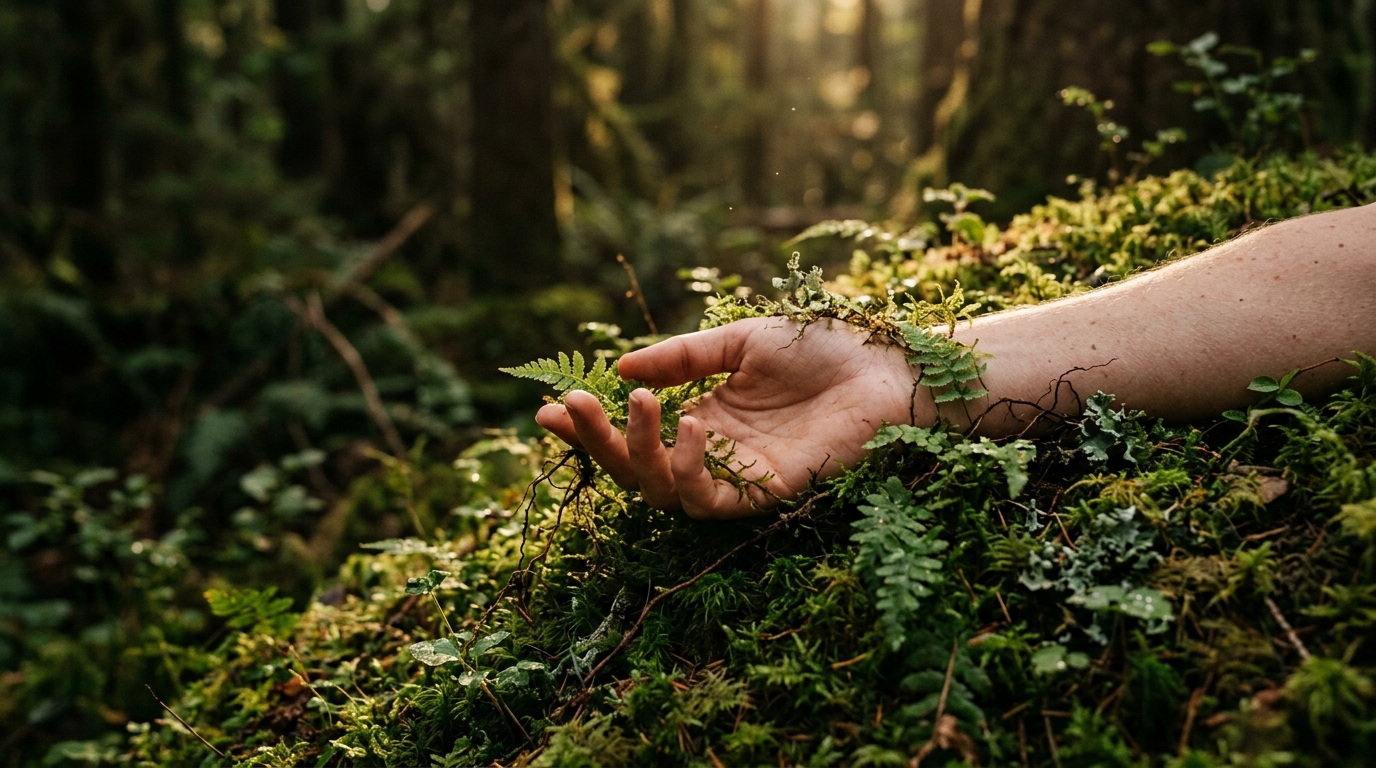
From Missing Microbes to Old Friends: The Next Chapter of the Microbiome Revolution
How the microbiome revolution is expanding beyond the gut to the environmental microbes that shaped human health
Twelve years ago, a quiet revolution began in the world of medicine, public health, and food science. It all started with a warning about an internal extinction event.
When Dr. Martin J. Blaser published Missing Microbes: How the Overuse of Antibiotics Is Fueling Our Modern Plagues in April 2014, he gave a name to a hidden crisis: the systematic depletion of the ancestral human microbiome. This book initiated a profound paradigm shift, transforming how we understand human health and our relationship with the natural world.
From a Giant of Medicine: A New View of Disease
Dr. Martin Blaser is a world-renowned physician, microbiologist, and past president of the Infectious Diseases Society of America. His research into human-microbial symbioses was so impactful that TIME magazine named him one of the 100 most influential people in the world in 2015.
Before Missing Microbes, the reigning medical model treated bacteria primarily as enemies to be eradicated - a legacy of the 19th-century germ theory pioneered by Robert Koch and Louis Pasteur. Blaser flipped this narrative on its head. He demonstrated that by over-prescribing broad-spectrum antibiotics, elevating Cesarean section rates, and hyper-sanitizing our environments, we were inadvertently clearing out our internal ecosystems.
Genomic comparative studies estimate that the modern Western gut has already lost roughly 30 to 50% of its microbial species diversity compared to our evolutionary baseline (Merrill et al., 2022 and Sonnenburg and Sonnnenburg, 2019).
"The loss of microbial diversity inside our bodies is the defining environmental crisis of our time, and it is happening right under our noses." – Martin Blaser
Blaser provided staggering quantitative data to illustrate this "carpet bombing":
- In developed nations, the average child receives roughly 3 courses of antibiotics by age 2, at the most vulnerable window and nearly 11 courses by age 10.
- Globally, over 73 billion individual doses of antibiotics are consumed annually—more than 10 doses for every person on Earth.
This disruption of early-life microbial establishment, Blaser argued, fundamentally altered human development. He drew a brilliant parallel to modern farming, where livestock producers use subtherapeutic, low-dose antibiotics to increase animal weight by up to 15%.
"What the livestock industry has known for decades—that low, steady doses of antibiotics can manipulate the gut flora to maximize weight gain—we are now inadvertently practicing on our own children." – Martin Blaser.
By tracking the rapid decline of keystone ancestral microbes, Blaser linked this internal ecosystem collapse directly to the exponential rise of "modern plagues": obesity, asthma, juvenile diabetes, and complex neurodevelopmental and mental disorders via the gut-brain axis. He forced the scientific community to realize that missing microbes alter the metabolic and immunologic signaling pathways that dictate how we process stress, manage inflammation, and regulate energy.
"We humans, like other animals, have evolved in an unbroken relationship with our microbiota... It's like a lock and a key; well, now it doesn't fit quite as well. And now there are consequences in that there's derangement of normal immunological development." – Martin Blaser
The Birth of the "Old Friends" Paradigm
The global reception of Missing Microbes catalyzed a massive cultural and institutional shift. It elevated the public conversation from basic "probiotic yogurt" marketing to a sophisticated ecological awareness. We began to transition away from the fear-based sanitation of the Pasteur era toward the "Old Friends" hypothesis.
This paradigm posits that our immune systems cannot calibrate properly without regular exposure to the non-pathogenic, diverse microorganisms with which our species co-evolved.
19th Century: Germ Theory : "All microbes are enemies to be eradicated."
21st Century: Old Friends : "Microbial diversity is a sacred, protective shield."
In the years following the book's release, this philosophy altered clinical medical practices and global health policy. Pediatric guidelines in the US and Europe shifted toward "watchful waiting" to reduce automatic antibiotic treatments in infants and pregnant mothers. The medical establishment began to view hyper-sanitation not as a badge of safety, but as an environmental barrier that isolates our bodies from necessary evolutionary inputs. While antibiotic use had been steadily rising since their invention, after Missing Microbes, practices evolved (the Pediatric Infectious Diseases Society guidelines inserted a 48-72 hours observation period without antibiotic in certain cases and shorter duration of 5-7 days courses). Oral prescriptions of antibiotics dropped by roughly 10% (752/1000 patients in 2024 according to the CDC down from 835/1000 in 2014). In Europe, a sustained campaign yielded a 33% reduction of antibiotic prescriptions in children between 2015 and 2021 (Bajcetic et al., 2026).
The Sacred Continuity: From Soil to Spirit
Today, Blaser's foundational work has evolved into the globally recognized One Health framework: the scientific understanding that human health is inextricably linked to the health of animals, plants, and soil. This has culminated in monumental preservation efforts like The Microbiota Vault, a global "Microbial Noah's Ark" in Switzerland dedicated to safeguarding vanishing ancestral microbiomes for posterity, launched in 2018 by Martin Blaser and his wife Maria Gloria Dominguez-Bello.
But a new generation of researchers is taking Blaser’s vision a step further, moving from preservation to active reconnection. Groundbreaking work by Finnish scientists like Dr. Aki Sinkkonen and Dr. Marja Roslund is demonstrating that the soil microbiome is not "dirt" to be feared, but a living interface capable of positively modulating human immunity, stress, and inflammation.
Their real-world intervention studies offer breathtaking evidence of this continuity
- Biodiversity Playgrounds: When standard gravel daycares were enriched with natural forest floor soil and sod, children playing in the dirt showed an increase in skin and gut microbial richness, along with a significant drop in pro-inflammatory plasma cytokines in just 28 days (Roslund et al., 2020).
- Soil-Seeded Entryway Rugs: Introducing natural forest soil onto rugs at the entrance of urban homes successfully modified the indoor dust microbiome, enriching it with asthma-protective environmental strains (Täubel et al., 2026).
- Indoor Gardening & Soil Washing: Urban adults who spent time indoor gardening with potted plants or simply washing their hands with microbially rich soil before eating experienced marked increases in skin microbiome diversity and improvements in immune markers, with anti-inflammatory shifts taming chronic inflammation (Roslund et al., 2024; Saarenpää et al., 2024).
The Next Frontier for Food and Formulation
These insights outline the future of functional formulation. Consumers are increasingly seeking a reconnection to the vitalizing forces of nature. They want a touch of the ritual, a return to the sacred reality that our bodies are an unbroken continuation of the earth beneath us.
By leveraging the ancient intelligence of the soil microbiome, the food industry has a historic opportunity to move beyond simple disease management. We can create functional, biotic-infused food and beverage solutions that restore what modern life has stripped away, re-introducing our "Old Friends" to soothe inflammation, fortify the gut-brain axis, and cultivate true physiological resilience from the ground up.
As Dr. Blaser beautifully reminded us:
"Antibiotics are like a fire in a forest... We are clearing out our internal old-growth forests before we even fully understand what lives in them." – Martin Blaser
The future of functional food lies in planting the seeds to let that forest grow back.
Key Scientific References for Further Reading
The Foundation: Blaser, M. J.(2014). Missing Microbes: How the Overuse of Antibiotics Is Fueling Our Modern Plagues. Henry Holt and Company.