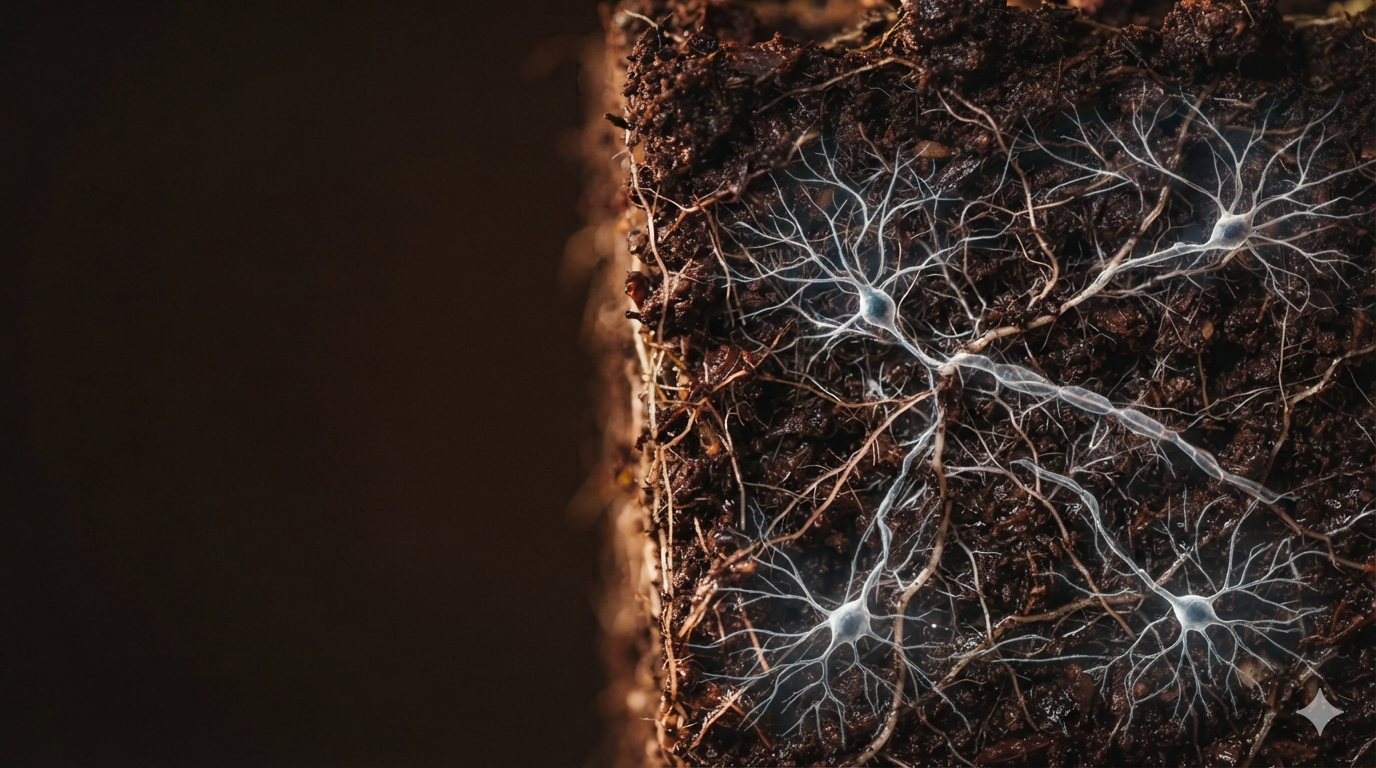
The Soil-Gut-Immune-Brain Axis: How Microbiome-Driven Immunity Shapes Mental Wellbeing
How the microbes in our gut and our environment tune the immune signals that shape mood and resilience
When we experience stress, brain fog, low mood, or psychological fatigue, we are accustomed to looking for solutions strictly above the neck. Yet modern neuroimmunology and planetary health research reveal a profound biological truth: our mental resilience is deeply rooted in our gut and directly tuned by our environment.
For millions of years, human neurochemistry and immune systems evolved in continuous conversation with external ecosystems. Today, as we spend around 90% of our time indoors within hyper-sterilized urban environments, we are discovering that the rise in modern mood disorders may be closely linked to an internal ecological crisis. We’re losing the communication between our gut, our immune cells, and our brain.
1. Inflammation: The Double-Edged Sword of Biological Defense
To understand how the gut influences mood, we must first reframe our view of inflammation. Inflammation is an essential, highly orchestrated biological cascade. Triggered by tissue trauma, pathogen entry, or cellular stress, acute inflammation releases chemical messengers that recruit immune responders to clear threats and initiate tissue repair.
However, when inflammatory signaling fails to resolve or "switch off", it converts into chronic low-grade systemic inflammation. Unlike the localized heat, redness, and swelling of an acute injury, low-grade inflammation operates as a silent, persistent background noise in the vascular system. It gradually alters cellular metabolic pathways, breaks down the gut barrier integrity, and continuously signals danger to the central nervous system.
2. The Gut as Immune Command Central: Regulating Inflammation
To understand why our mental state is so deeply connected to our digestive system, we have to look at where our immune system actually resides. Roughly 70% of all our body's immune cells are located right inside the lining of our gut (Furness et al., 1999; Vighi et al., 2008).
This massive concentration of immune tissue exists for a simple reason: the gut is our body’s largest open border with the outside world. Covering a surface area of roughly 32 square meters (the size of a small apartment), the gut lining must perform a daily balancing act: allow beneficial inputs in to absorb vital nutrients from food and welcome beneficial microbes, while remaining hyper-vigilant to keep harmful threats out, neutralizing dangerous pathogens, toxins, and harsh chemicals before they can enter the bloodstream.
Gut Microbes Act as our "Immune Trainers"
Our gut microbes act as the head trainers for this immune army. When we nourish our microbiome with diverse plant fibers, beneficial bacteria release key chemical signals:
- Anti-Inflammatory Messengers (Short-Chain Fatty Acids): As gut bacteria ferment dietary fiber, they produce small compound "keys" like butyrate that unlock and activate specialized immune cells called Regulatory T-cells (or "peacekeeper" cells). These cells release soothing chemical signals (anti-inflammatory cytokines such as IL-10) that tell the rest of the immune system to stand down and stop unnecessary inflammation (Koh et al., 2016)
- Strengthening the "Gut Barrier": A thriving, diverse microbiome keeps the cells of the gut wall tightly locked together. This prevents toxic bacterial components such as lipopolysaccharide (LPS), a potent inflammatory trigger that can cause endotoxemia, from leaking out of the gut and into our bloodstream.
When our internal microbial diversity drops, due to inadequate diets, stress, lack of exposure to natural environments or frequent antibiotic use, this training system breaks down. The microbes to whom we delegated the role of switching off inflammatory signals are missing, the peacekeeper cells fall quiet, the gut barrier weakens, and the body’s inflammatory dial gets turned all the way up. Low-grade inflammation is common: roughly one in three US adults has blood levels of C-reactive protein (CRP), a standard inflammation marker, above 3 mg/L (Ong et al., 2013), and inflammation-related diseases account for more than half of all deaths worldwide (Furman et al., 2019).
3. From Gut Cytokines to Glial Activation: How Inflammation Reaches the Mind
The connection between an irritated gut and a low, anxious mood relies on a direct biochemical communication highway. The story goes like this:
- The Gut Sounds the Alarm: When the gut environment becomes unbalanced or inflamed, local immune cells begin suppressing anti-inflammatory signals like IL-10 while releasing pro-inflammatory chemical messengers (specifically TNF-alpha and Interleukin-6). Think of these as biochemical "fire alarms".
- Traveling to the Brain: These alarm signals travel up through the vagus nerve, the highway connecting the gut and brain, or travel through the bloodstream to the blood-brain barrier, the protective lining of the brain, where they pass their signal inward (Dantzer et al., 2008)
- Activating the Brain’s Security Guards: Inside the central nervous system sit specialized cells called microglia and astrocytes. These glial cells act as the brain's internal security guards and maintenance crew. Under normal conditions, they protect neurons and keep brain tissue healthy. But when inflammatory signals arrive from the gut, they shift into high-alert mode: microglia are activated.
- Altering Brain Chemistry: Once activated, these microglial guards release their own inflammatory signals inside the brain. This creates two major disruptions:
- Diverting Mood Molecules: They shift the body's raw materials like tryptophan away from making serotonin (a key mood-regulating neurotransmitter) and instead convert it into stress-inducing chemical byproducts like quinolinic acid, which impairs neuroplasticity and neurogenesis in the hippocampus (Miller & Raison, 2016).
- Lowering Brain "Fertilizer": They suppress a vital growth protein called BDNF (Brain-Derived Neurotrophic Factor), which acts like fertilizer to grow brain cells. Without enough of this growth factor, the brain struggles to adapt to stress, leading to feelings of overwhelm, mental fatigue, and low mood.
4. Real-World Evidence: Connecting Immune Markers to Mood
This biological chain reaction isn't just theoretical. A vast body of modern medical research directly connects inflammatory markers in the body with psychological symptoms. Here are some examples:
- Inflammatory Cytokines Are Higher in Clinical Depression: Large-scale analysis of patient data shows that individuals suffering from major depression consistently have significantly higher levels of inflammatory alarm signals (like TNF-alpha and IL-6) in their blood compared to non-depressed individuals (Dowlati et al., 2010; Köhler et al., 2017). Another study of about 4,500 children found that those with higher blood levels of IL-6 at age 9 were more likely to have experienced depression by age 18 (Khandaker et al., 2014).
- Brain Scans Reveal Activated Microglia in Depressive Episodes: Using advanced brain-imaging technology (PET scans), researchers measured a marker of activated microglia (TSPO) in people experiencing major depressive episodes. It was about 30% higher than in healthy volunteers, including in brain areas responsible for emotion and stress regulation (Setiawan et al., 2015).
- Triggering Inflammation Lowers Mood: In controlled clinical trials, when healthy human volunteers are given a small, carefully controlled dose of a bacterial endotoxin to temporarily trigger their immune system, their bodies rapidly produce inflammatory cytokines. Within hours, these volunteers report lower mood and feelings of social disconnection, and their brains respond less to reward, a pattern that mirrors hallmarks of depression and demonstrates how directly an activated immune system alters our daily mental state (Eisenberger et al., 2010).
- The Power of Anti-Inflammatory Soil-Derived Microbes: Fascinating research on natural soil bacteria (such as Mycolicibacterium vaccae) shows that immunization with a heat-killed preparation of this soil bacterium can "de-prime" the brain's security guards. In mice and rats, it calmed microglial hyper-reactivity, quieted neuroinflammation, and increased resilience to stress (Lowry et al., 2007; Reber et al., 2016; Frank et al., 2018).
5. Empowering Mental Wellness by Reconnecting With Our Exposome
Understanding the immune-brain connection provides an empowering shift in how we approach mental health. Rather than viewing mental wellbeing solely through the lens of brain chemistry, we realize that our emotional resilience is directly linked to our diet and our external environment: our exposome.
For millennia, human physiology evolved in constant contact with natural soil ecosystems, diverse microbial communities, and nutrient-dense, unrefined foods. Modern urbanization, environmental sterilization, and dietary changes have disrupted this essential microbial connection, depriving our immune systems of key regulatory inputs, and in particular, of "Old Friends" (Rook, 2013; see also our previous blog on the Old Friends paradigm).
Reclaiming Immune and Mental Equilibrium
Mental wellness can be cultivated from the ground up through intentional exposome practices:
- Microbial Exposure: Engaging directly with healthy soil through gardening, outdoor nature immersion, and exposure to environmental microbiomes helps re-educate mucosal immune responses.
- Nourishing the Soil Within: A diet rich in prebiotic fibers, polyphenols, and fermented foods supplies the raw biochemical substrates needed for beneficial bacteria to generate anti-inflammatory metabolites.
- Postbiotics and Targeted Interventions: Utilizing specialized, soil-derived postbiotic compounds that provide concentrated immunomodulatory signals to support gut mucosal signaling and temper systemic inflammation.
By tending to the ecosystem within our gut, we soothe the neuroinflammatory signals in the brain, fostering mental clarity and emotional resilience at its biological source.
Found this interesting?
If you're building products for stress, mood, or brain health, let's talk about what Old Friends science could bring to your portfolio.